
Data Entry vs Data Processing is a common comparison in business data management. However, although many professionals use these terms interchangeably, they play very different roles in the data workflow. Therefore, understanding data entry vs data processing helps businesses manage information efficiently and choose the right services for better decision-making.
Therefore, understanding the difference between data entry and data processing is essential. Moreover, this knowledge helps businesses manage information more efficiently. As a result, organizations can select the most suitable data processing services based on their actual needs.
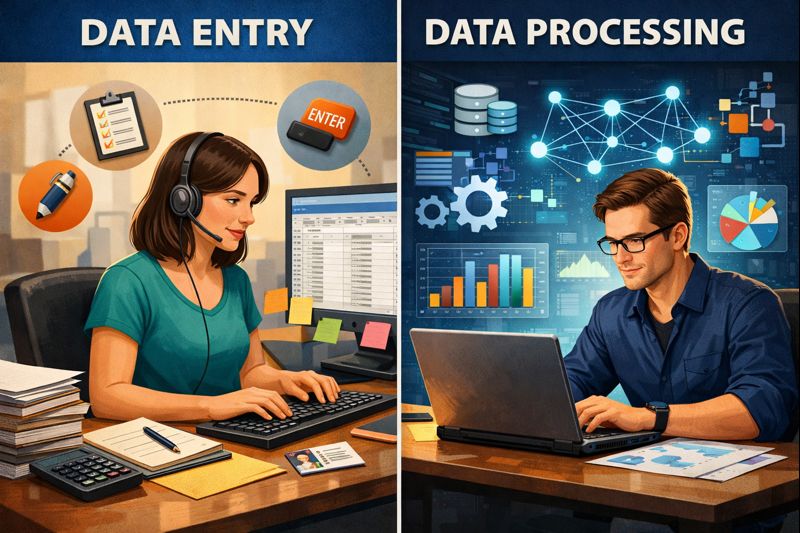
Table of Contents
- What Is Data Entry?
- What Is Data Processing?
- Key Differences Between Data Entry and Data Processing
- Role of Data Entry and Data Processing in Business Data
- Data Entry vs Processing in the Data Workflow
- Data Entry vs Processing: Which One Does Your Business Need?
- Conclusion
- Why Trust Us
- FAQ Section
What Is Data Entry?
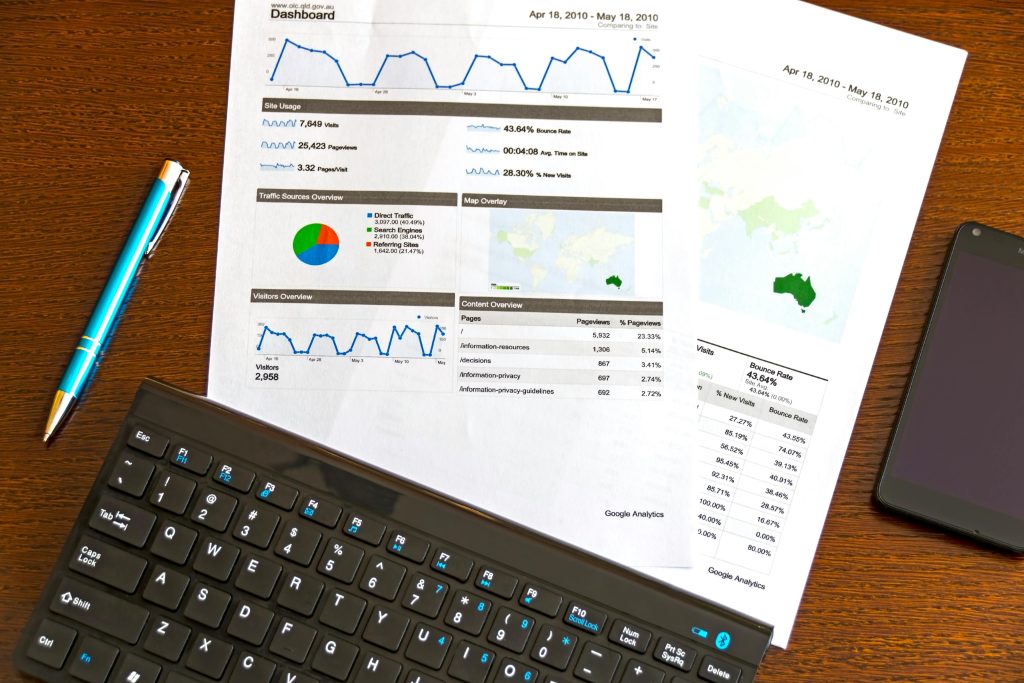
To begin with, data entry is the process of inputting raw data into digital systems. Typically, this data comes from paper documents, emails, scanned files, images, or audio sources.
For instance, common data entry tasks include:
- Typing customer information accurately
- Entering invoices, bills, and receipts
- Updating spreadsheets or databases regularly
- Converting handwritten or printed records into digital format
In short, data entry focuses mainly on accuracy and speed. Because it is the first stage of the data workflow, even small mistakes at this point can lead to serious problems later.
What Is Data Processing?

On the other hand, data processing goes far beyond simple data input. Instead, it focuses on organizing, validating, transforming, and analyzing data so it becomes useful.
Generally speaking, data processing services include:
- Data validation and error correction
- Data cleaning and formatting
- Data sorting, classification, and grouping
- Calculations, analysis, and report generation
Consequently, data processing transforms raw data into meaningful insights. Therefore, it plays a vital role in business decision-making.
Key Differences Between Data Entry and Data Processing
To better understand, the following comparison clearly highlights the key differences between data entry and data processing:
| Feature | Data Entry | Data Processing |
|---|---|---|
| Purpose | Input raw data | Convert data into information |
| Complexity | Simple and repetitive | Advanced and analytical |
| Skill Level | Basic training required | Specialized expertise needed |
| Output | Digital records | Reports, insights, structured data |
| Role in Workflow | First step | Next stage after entry |
Thus, this table clearly explains how data entry and data processing differ in function, skill level, and output.
Role of Data Entry and Data Processing in Business Data
In practice, effective business data management requires both data entry and data processing working together.
Role of Data Entry

Initially, data entry ensures information is captured correctly. Because this step creates the foundation, any error can affect the entire system.
Role of Data Processing
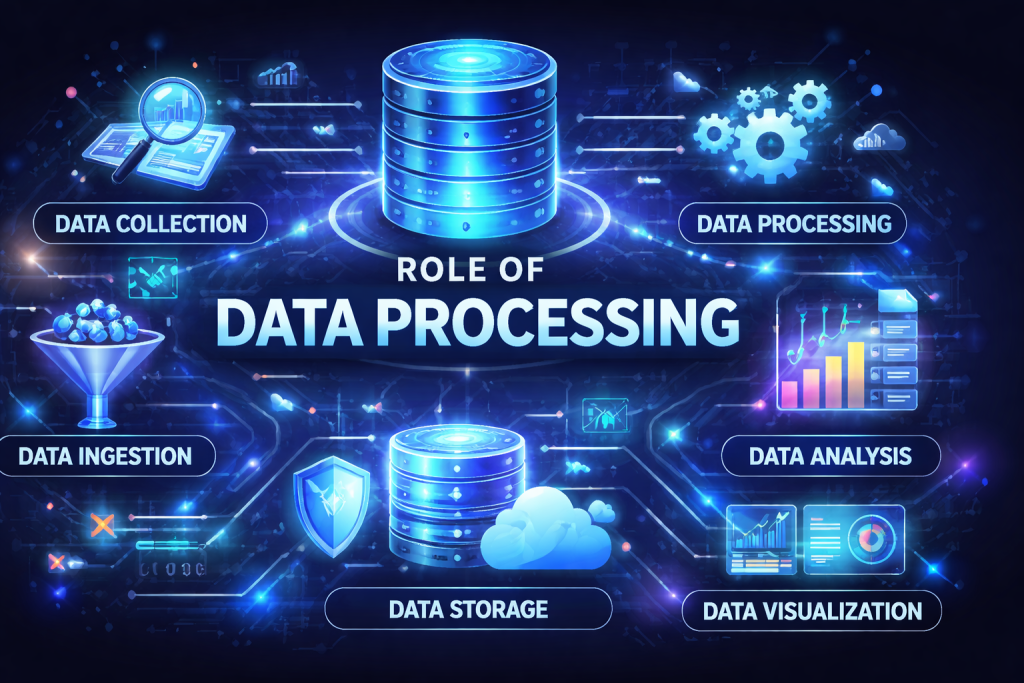
Afterward, data processing ensures that the entered information is accurate, organized, and usable. As a result, it supports reporting, analytics, and strategic planning.
Together, these two functions create a reliable and efficient data management system.
Data Entry vs Processing in the Data Workflow
Generally, the data workflow follows a logical sequence:
- Data collection
- Data entry
- Data processing
- Data reporting
- Decision-making
Without accurate data entry, data processing becomes unreliable. Similarly, without data processing, entered data remains unused.
Therefore, both steps are essential for effective information management.
Data Entry vs Processing: Which One Does Your Business Need?
Ultimately, the answer depends on your business goals.
- If your goal is to digitize records, then data entry services are sufficient
- However, if you need insights, trends, or reports, then data processing services are necessary
- Moreover, if you want end-to-end support, then using both services is ideal
For this reason, many businesses outsource both data entry and data processing to improve accuracy, efficiency, and scalability.
Conclusion
In conclusion, understanding Data Entry vs Data Processing allows businesses to manage their data more effectively. While data entry focuses on capturing information, data processing transforms that information into actionable insights.
Therefore, both play critical roles in the data workflow. By choosing the right services, businesses can significantly improve productivity, accuracy, and decision-making.
Why Trust Us
Above all, we follow industry best practices in data management. Additionally, our content is based on real-world experience and ethical SEO standards.
As a result, we deliver accurate, transparent, and trustworthy information aligned with E-E-A-T principles.
Call to Action (CTA)
So, are you looking for reliable data entry or data processing services?
Then, contact us today to streamline your data workflow and improve information management.
FAQ Section
Q1: What is the main difference between data entry and data processing?
Simply put, data entry inputs data, whereas data processing transforms it into useful information.
Q2: Is data entry part of data processing?
Yes, data entry is the first step in the data processing cycle.
Q3: Which service is more important?
In reality, both are equally important and serve different purposes.
Q4: Can small businesses use data processing services?
Absolutely, data processing services benefit businesses of all sizes.
Q5: Does data processing require technical skills?
Yes, it often requires analytical and technical expertise.
Q6: Can both services be outsourced?
Indeed, many businesses outsource both services to improve efficiency.